TAVI Surgery in India: What It Is, How It Works, and How It Compares to Open Heart Surgery
By: Dr. Ravishankar Shetty K
Lead Cardio Thoracic & Transplant Surgeon (Cardiovascular & Thoracic Surgery)
Posted on July 10, 2025
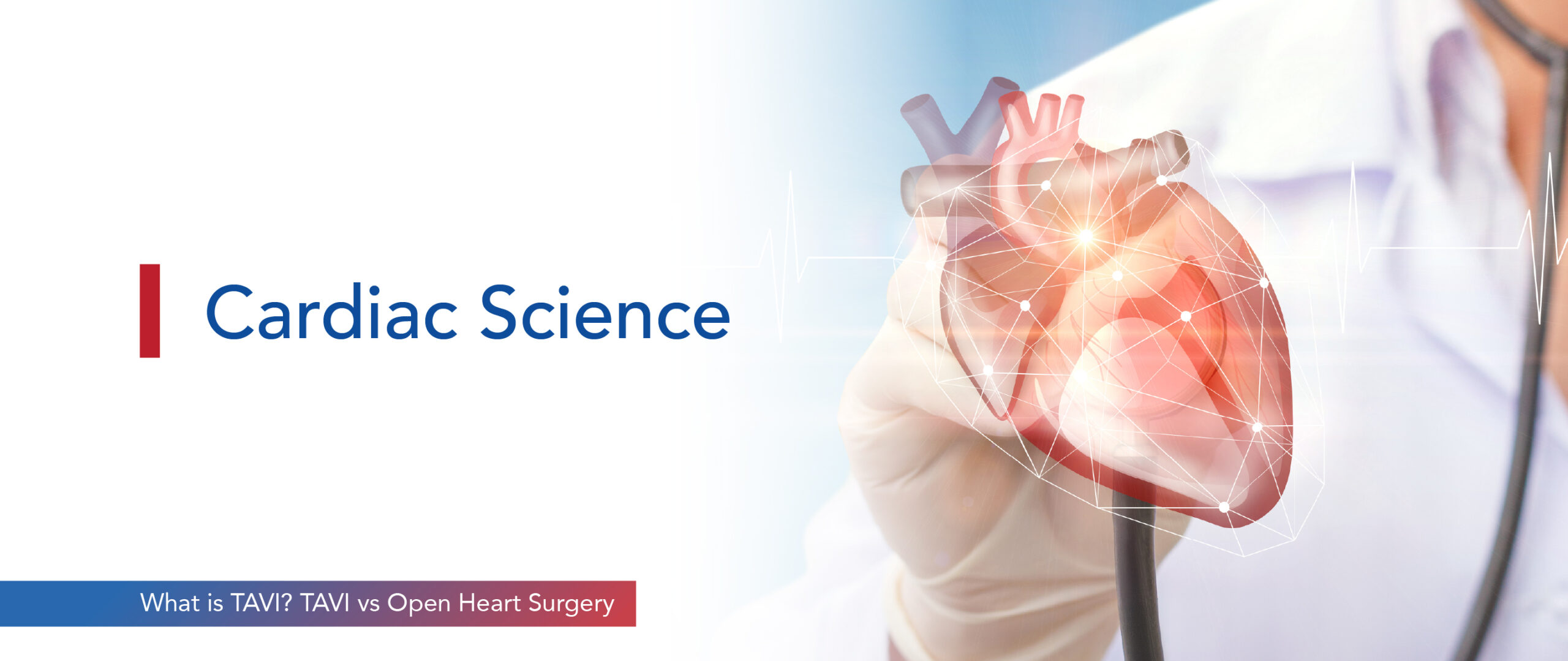
Medical advancements in cardiac services have transformed how we treat serious heart valve conditions. TAVI surgery in India has emerged as a breakthrough for patients suffering from aortic stenosis, offering a minimally invasive aortic valve replacement without the trauma of conventional surgery. But what exactly is TAVI, and how does it compare to open heart surgery? This comprehensive guide covers everything you need to know, from the TAVI procedure to candidacy criteria, costs, benefits, risks, and a detailed comparison.
- What Is TAVI? Understanding the TAVI Procedure
- Step-by-Step: How the TAVI Procedure Works
- Who Is an Ideal Candidate for TAVI Surgery in India?
- Benefits of TAVI Surgery
- Risks of the TAVI Procedure
- What Is Open Heart Surgery? A Brief Overview
- Open Heart Surgery vs. TAVI: Side-by-Side Comparison
- TAVI Surgery Cost in India
- Conclusion
- Frequently Asked Questions (FAQs) About TAVI Surgery in India
What Is TAVI? Understanding the TAVI Procedure
TAVI, short for Transcatheter Aortic Valve Implantation, is also widely referred to as TAVR (Transcatheter Aortic Valve Replacement). It is a minimally invasive heart valve replacement technique designed specifically for patients with aortic stenosis, a condition in which the aortic valve narrows due to calcium and plaque buildup.
This narrowing restricts blood flow from the heart to the rest of the body, causing fatigue, shortness of breath, chest pain, and if left untreated, heart failure. Unlike traditional open heart surgery, the TAVI procedure does not require opening the chest or stopping the heart. Instead, a collapsible prosthetic valve is delivered via a catheter, usually through the femoral artery in the groin, and guided to the heart using advanced real-time imaging.
Once correctly positioned, the new valve expands and pushes aside the damaged valve, immediately restoring normal blood flow. The result: effective heart valve replacement with minimal disruption to the body.
Step-by-Step: How the TAVI Procedure Works
Here is what happens during a typical TAVI procedure:
- Preparation and Sedation: The patient receives local anaesthesia or conscious sedation – general anaesthesia is typically not required.
- Catheter Insertion: A small incision is made in the groin (transfemoral approach) or the chest (transapical approach), depending on the patient’s vascular anatomy.
- Guided Navigation: The catheter is advanced through the artery and positioned at the diseased aortic valve using fluoroscopy and echocardiography.
- Balloon Inflation (if required): In some cases, a balloon is inflated to pre-dilate the narrowed valve before deploying the replacement.
- Valve Deployment: The prosthetic valve is deployed precisely within the old valve, instantly taking over its function.
- Catheter Removal and Closure: The catheter is withdrawn, and the small incision is sutured or sealed with a closure device.
The entire TAVI procedure is typically completed within 1 to 2 hours, with most patients requiring only a 2 to 4-day hospital stay afterwards.
Who Is an Ideal Candidate for TAVI Surgery in India?
TAVI surgery in India is particularly well-suited for:
- Elderly patients aged 70 years and above
- Patients at high, intermediate, or low surgical risk for conventional open heart surgery
- Individuals with coronary artery disease, kidney failure, or chronic lung disease
- Patients who have previously undergone heart bypass surgery
- Those with a severely calcified aorta where open surgery poses higher risks
Patients at low, intermediate, or high risk for open heart surgery are all considered potential candidates for TAVI based on thorough evaluation by experienced cardiologists in Bangalore and across India.
Benefits of TAVI Surgery
The benefits of TAVI surgery make it a compelling choice for eligible patients, particularly older adults or those unable to tolerate open surgery:
- Minimally invasive: No chest opening, significantly less trauma
- Shorter procedure time: Typically 1-2 hours
- Reduced blood loss and lower infection risk due to small incisions
- Faster recovery: Most patients return to normal activities within 1 week
- Shorter hospital stay: 2-4 days versus 7-10 days for open surgery
- Improved quality of life and symptom relief within days of the procedure
- Suitable for high-risk patients who cannot safely undergo open heart surgery
Risks of the TAVI Procedure
While TAVI is considered safe and highly effective, like any cardiac intervention, it carries potential risks. Patients should be aware of the following:
- Bleeding or vascular complications at the access site
- Stroke or transient ischaemic attack (TIA)
- Arrhythmias (irregular heartbeats), sometimes requiring a pacemaker
- Paravalvular leakage – minor leaking around the new valve
- Kidney injury, especially in patients with pre-existing renal issues
- Rarely, valve malfunction or displacement requiring re-intervention
Your cardiac team at a best cardiac hospital in India will discuss your individual risk profile in detail and help weigh these risks against the benefits of the procedure.
What Is Open Heart Surgery? A Brief Overview
Open heart surgery refers to a procedure in which the chest is surgically opened to expose and operate directly on the heart. It is used for heart valve repair or replacement, coronary artery bypass grafting (CABG), correction of congenital defects, and more.
During open heart surgery, the heart is temporarily stopped and a heart-lung bypass machine maintains circulation. While this approach allows surgeons direct visibility and access to the heart, it is significantly more invasive and involves a longer recovery period.
How Open Heart Surgery Is Performed
- General anaesthesia is administered.
- A large incision is made along the breastbone (median sternotomy).
- The patient is connected to a heart-lung machine.
- The surgeon performs the required valve repair, replacement, or bypass.
- The heart is restarted, and the chest is closed with surgical staples or sutures.
Open heart surgery typically takes several hours and requires a hospital stay of 7 to 10 days, followed by 6 to 12 weeks of home recovery.
Benefits of Open Heart Surgery
- Excellent long-term valve durability
- Allows treatment of multiple cardiac conditions in a single procedure
- Direct surgical access provides greater precision in complex cases
- Highly effective for younger patients or those with complex valvular or coronary disease
Risks of Open Heart Surgery
- Infection at the sternotomy site
- Excessive bleeding requiring transfusion
- Stroke or postoperative heart attack
- Prolonged recovery (weeks to months)
- Lung and kidney complications from extended bypass
- Cognitive changes or memory difficulties in some patients post-surgery
Open Heart Surgery vs. TAVI: Side-by-Side Comparison
Here is a clear breakdown of the key differences between TAVI and open heart surgery to help patients and families make informed decisions:
| Criteria | TAVI Surgery | Open Heart Surgery |
|---|---|---|
| Invasiveness | Minimally invasive | Highly invasive |
| Incision Size | Small (groin or chest) | Large sternotomy |
| Anaesthesia | Local / conscious sedation | General anaesthesia |
| Procedure Time | 1-2 hours | 3-6 hours |
| Hospital Stay | 2-4 days | 7-10 days |
| Recovery Time | 3-7 days | 6-12 weeks |
| Ideal Candidates | Elderly / high-risk patients | Younger / lower-risk patients |
| Scarring | Minimal | Significant |
| Multi-condition Treatment | Limited | Yes – multiple issues at once |
| Long-term Valve Durability | Good (improving with newer valves) | Excellent |
TAVI Surgery Cost in India
One of the most common questions patients and families ask is about TAVI surgery cost in India. Compared to Western countries, India offers world-class TAVI procedures at a fraction of the cost, making it an increasingly popular destination for medical tourism in cardiac care.
The TAVI surgery cost in India typically depends on:
- The type and brand of prosthetic valve used
- The hospital’s tier and location (metropolitan vs. smaller cities)
- The patient’s individual health complexity and length of stay
- Pre-procedure diagnostics and post-procedure follow-up care
Patients are advised to consult the SPARSH Hospitals – Global Care, and get individualised cost estimates. Many leading hospitals offer transparent pricing and package-based billing for international and domestic patients alike.
Conclusion
TAVI surgery in India has revolutionised aortic stenosis treatment, offering elderly and high-risk patients a safe, effective, and fast-recovery alternative to conventional open heart surgery. With shorter hospital stays, minimal scarring, and significantly faster recovery, TAVI has become the preferred choice for a growing number of patients worldwide.
That said, open heart surgery remains indispensable for younger patients and complex multi-condition cases where direct surgical access offers the best outcomes. The right choice always depends on your individual anatomy, risk profile, and the expert recommendation of an experienced cardiac team.
If you or a loved one is experiencing symptoms of aortic stenosis, contact SPARSH Hospitals – Global Care to explore whether TAVI or open heart surgery is the right path forward.







 WhatsApp Us