Bone Marrow Transplants: Understanding the Procedure and Purpose
By: Dr. Anand Kumar K
Consultant in Haematology, Bone Marrow Transplant & Paediatric Oncology
Posted on July 17, 2024
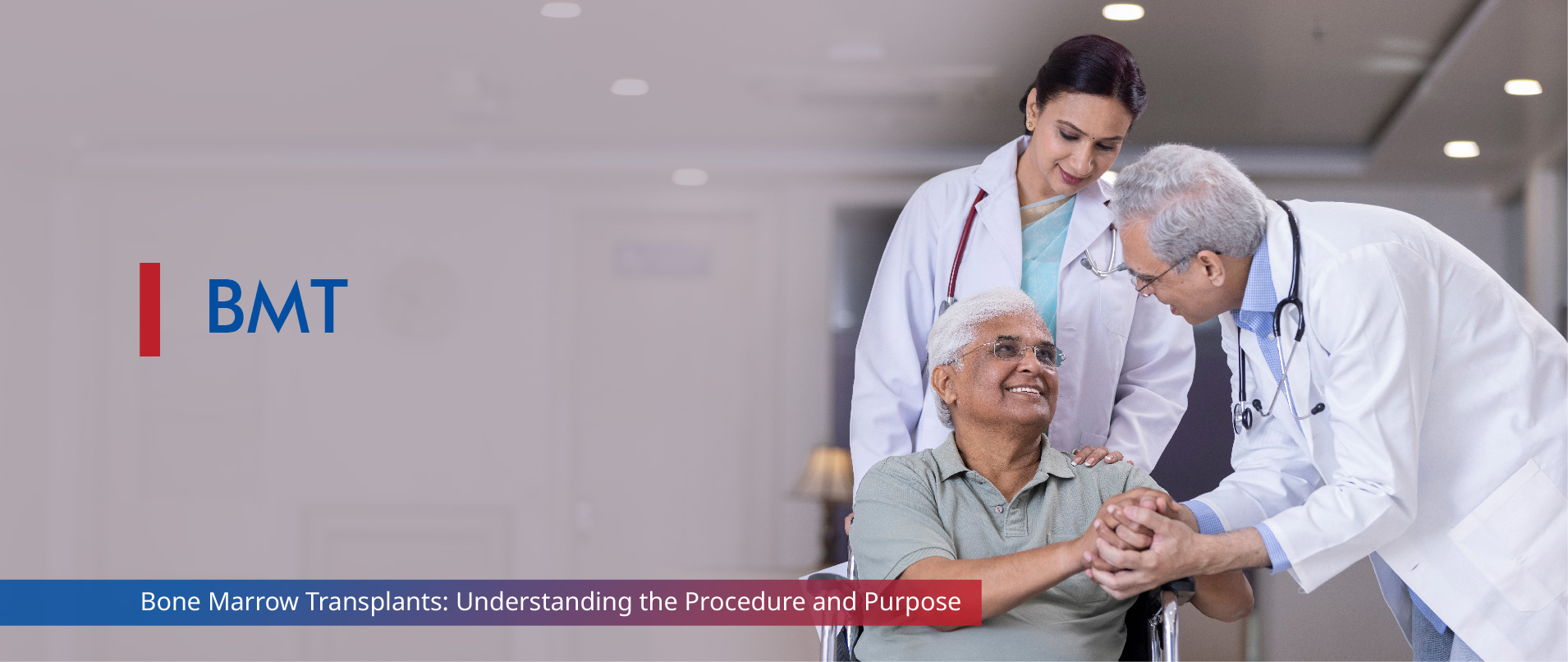
Bone marrow transplant (BMT), also known as a stem cell transplant, is a life-saving treatment for blood cancers, immune disorders, and genetic blood diseases such as leukaemia, lymphoma, aplastic anaemia, and thalassemia. This guide explains the types of BMT, donor matching, recovery, risks, survival outcomes, and long-term care. It also highlights why India is a leading destination for affordable, advanced bone marrow transplant treatment with expert specialists and international patient support.
What is Bone Marrow, and Why is it Essential?
Bone marrow is the soft and spongy tissue in the large bones of our body. It produces various types of blood cells (red blood cells, or RBCs, white blood cells, or WBCs, and platelets). These blood cells are crucial to maintaining the body’s health and function.
Red blood cells, or RBCs, carry oxygen throughout the body. WBCs fight off infections, and platelets help the blood clot to prevent excessive bleeding. The bone marrow is the main location where hematopoiesis (the process of blood cell production) occurs.
Healthy bone marrow is essential for maintaining a robust immune system and ensuring the body can effectively respond to injuries and illnesses.
Why is a Bone Marrow Transplant Needed?
The bone marrow may sometimes become damaged or dysfunctional, leading to various medical conditions such as leukaemia, lymphoma, aplastic anaemia, and other blood disorders. When the bone marrow cannot produce healthy blood cells, a bone marrow transplant may become essential.
A stem cell transplant, also known as a bone marrow transplant (BMT), is a procedure in which the surgeon replaces damaged bone marrow with healthy cells. These healthy stem cells can come from the patient’s body (autologous transplant) or a donor (allogeneic transplant).
The primary objective of a BMT procedure is to restore the body’s ability to produce healthy blood cells and to treat the underlying condition that led to the need for the transplant, says Dr. Anand Kumar K.
Who Needs a Bone Marrow Transplant? Conditions and Eligibility
A bone marrow transplant may be recommended for patients diagnosed with a range of serious blood, immune, and metabolic disorders. The decision to proceed with BMT depends on the specific diagnosis, disease stage, the patient’s age, overall health, and the availability of suitable donors.
Conditions Commonly Treated with BMT
- Acute Lymphoblastic Leukaemia (ALL): A fast-growing cancer of the white blood cells, often seen in children and young adults. BMT may be recommended in high-risk or relapsed cases.
- Acute Myeloid Leukaemia (AML): A cancer that begins in the bone marrow and rapidly progresses. Allogeneic transplant is often used after initial chemotherapy.
- Chronic Myeloid Leukaemia (CML): A slower-growing leukaemia that may require BMT if targeted therapies are ineffective.
- Myelodysplastic Syndromes (MDS): A group of disorders where the bone marrow does not produce enough healthy blood cells. BMT is currently the only curative treatment.
- Lymphoma (Hodgkin and Non-Hodgkin): Cancers of the lymphatic system. Autologous transplant is commonly used for relapsed or refractory lymphoma.
- Multiple Myeloma: A cancer of the plasma cells. Autologous stem cell transplant following high-dose chemotherapy is a standard treatment approach.
- Aplastic Anaemia: A rare condition where the bone marrow fails to produce sufficient blood cells. Allogeneic BMT from a matched donor can be curative.
- Thalassemia Major: An inherited blood disorder requiring lifelong transfusions. BMT offers a potential cure, especially when performed in childhood.
- Sickle Cell Disease: A genetic disorder affecting haemoglobin. BMT can cure the condition in eligible patients with a matched donor.
- Severe Combined Immunodeficiency (SCID): A life-threatening inherited immune disorder in infants. BMT is the standard curative treatment.
Age-Based Eligibility Considerations
While there is no strict upper age limit for BMT, eligibility is closely linked to overall fitness and organ function rather than age alone.
Key considerations include:
- Paediatric patients (under 18) often tolerate full-intensity (myeloablative) conditioning regimens well and may have better engraftment outcomes.
- Adults aged 18–55 are generally considered standard candidates for both autologous and allogeneic transplants, depending on diagnosis and donor availability.
- Patients aged 55–75 may still be eligible for reduced-intensity conditioning (RIC) transplants, which use lower doses of chemotherapy and radiation to minimise toxicity while still enabling engraftment.
- Pre-transplant assessments evaluate cardiac, pulmonary, renal, and hepatic function to determine fitness, regardless of age.
Benefits of a Bone Marrow Transplant
Bone marrow transplants can provide a range of benefits for patients with various blood and immune system disorders, including:
- Improved Survival Rates: Bone marrow transplants have been shown to significantly enhance survival rates for patients with certain blood cancers, such as leukaemia, multiple myeloma, myelodysplastic syndrome, and lymphoma and certain blood disorders, such as sickle cell anaemia, aplastic anaemia, and thalassemia.
- Restoration of Healthy Blood Cells: The transplanted stem cells can help rebuild the patient’s bone marrow, allowing for the production of healthy red blood cells, white blood cells, and platelets.
- Reduced Risk of Infection: A successful bone marrow transplant can restore the immune system and help reduce the patient’s risk of developing life-threatening infections.
- Improved Quality of Life: Patients who undergo a successful bone marrow transplant experience an improved quality of life, with fewer symptoms and a better overall health status.
Types of Bone Marrow Transplants
There are several different types of bone marrow transplants, each with its unique characteristics and considerations:
- Autologous Transplant: In this type of transplant, the surgeon collects the patient’s own stem cells and then reinfuses them after high-dose chemotherapy or radiation therapy.
- Allogeneic Transplant: In an allogeneic transplant, the stem cells come from a donor, either a related or unrelated individual. The donor’s cells must closely match the patient’s to reduce the risk of complications.
- Syngeneic Transplant: This type of transplant involves using stem cells from the patient’s identical twin, as the cells are a perfect match.
- Haploidentical Transplant: In a haploidentical transplant, the donor is a close relative, such as a parent or child, who shares approximately half of the patient’s genetic makeup.
Autologous vs. Allogeneic Transplant: A Detailed Comparison
Choosing between an autologous and allogeneic bone marrow transplant is one of the most critical decisions in the treatment journey. The table below summarises the key differences:
|
Parameter |
Autologous Transplant |
Allogeneic Transplant |
|
Source of Stem Cells |
Patient’s own stem cells |
Matched donor (related or unrelated) |
|
Donor Required |
No |
Yes |
|
GVHD Risk |
None |
Moderate to high |
|
Graft-vs-Tumour Effect |
None |
Present (helps fight residual cancer) |
|
Common Indications |
Multiple myeloma, relapsed lymphoma |
Leukaemia, MDS, aplastic anaemia, thalassemia |
|
Recovery Time |
2–4 weeks for engraftment |
3–6 weeks for engraftment |
|
Immune Suppression |
Short-term |
Long-term (immunosuppressive drugs needed) |
|
Relapse Risk |
Higher (no GVT effect) |
Lower (GVT effect reduces relapse) |
|
Hospital Stay |
2–3 weeks typical |
4–6 weeks typical |
Your haematologist will recommend the transplant type best suited to your diagnosis, disease status, and overall health profile.
The Donor Matching Process: How It Works
For allogeneic bone marrow transplants, finding a compatible donor is one of the most important steps. The success of the transplant depends significantly on how closely the donor’s Human Leukocyte Antigen (HLA) markers match those of the patient.
What is HLA Matching?
Human Leukocyte Antigens (HLAs) are proteins found on the surface of most cells in the body. The immune system uses these markers to distinguish between the body’s own cells and foreign cells. In transplant medicine, matching HLA types between the donor and recipient is essential to reduce the risk of graft rejection and graft-versus-host disease (GVHD).
Types of Donors
- Matched Sibling Donor (MSD): A brother or sister with identical HLA markers. Siblings have a 25% chance of being a full match. This is considered the ideal donor type.
- Matched Unrelated Donor (MUD): Found through national and international bone marrow registries. Advances in registry databases have significantly improved the chances of finding an unrelated match.
- Haploidentical Donor: A half-matched family member (parent, child, or sibling). Modern techniques such as post-transplant cyclophosphamide have made haploidentical transplants increasingly safe and effective.
- Cord Blood: Stem cells collected from the umbilical cord at birth. Cord blood requires a less stringent HLA match but provides a smaller cell dose, making it more commonly used in paediatric patients.
The Matching Process: Step by Step
- HLA typing of the patient through a blood test.
- Siblings and immediate family members are tested first.
- If no family match is found, a search is initiated through bone marrow registries (e.g., DKMS, DATRI in India, Be The Match).
- High-resolution HLA typing is performed to confirm compatibility.
- The donor undergoes medical evaluation and fitness assessment before proceeding.
The Bone Marrow Transplant Procedure: Step-by-Step
The bone marrow transplant process typically involves the following steps:
- Evaluation and Preparation: The patient will undergo a comprehensive medical evaluation to determine their transplant eligibility and identify any potential risks or complications.
- Stem Cell Collection: If the transplant is autologous, the patient’s stem cells will be collected and stored. The doctor gathers the donor’s stem cells for allogeneic or syngeneic transplants.
- Conditioning Regimen: The patient will undergo a conditioning regimen, which typically involves high-dose chemotherapy and/or radiation therapy to destroy the diseased or damaged bone marrow.
- Stem Cell Infusion: The doctor will infuse the collected stem cells into the patient’s body, where they can travel to the bone marrow. After reaching the marrow, the stem cells produce healthy blood cells.
- Recovery and Monitoring: The BMT team will closely monitor the treated patient for any complications or side effects after the transplant. The patient will receive supportive care to help their body recover and rebuild the immune system.
BMT Recovery Timeline: What to Expect Week by Week
Recovery after a bone marrow transplant is a gradual process that varies based on the type of transplant, the patient’s age, overall health, and the underlying condition being treated. The following timeline provides a general overview of what patients and caregivers can expect:
|
Timeframe |
What Happens |
Key Milestones |
|
Days 0–7 |
Stem cell infusion (Day 0). The body begins processing the new cells. Patients typically remain in a sterile isolation room. |
Transplant day; close monitoring begins. |
|
Days 7–14 |
The nadir period: blood counts drop to their lowest. Patients are most vulnerable to infections. Supportive care includes antibiotics, antifungals, and blood transfusions. |
Lowest blood counts; highest infection risk. |
|
Days 14–30 |
Engraftment begins: the new stem cells start producing white blood cells. Neutrophil counts gradually rise. Engraftment is typically confirmed when the Absolute Neutrophil Count (ANC) stays above 500 for three consecutive days. |
Engraftment confirmed; early immune recovery. |
|
Months 1–3 |
Patients are usually discharged but must remain close to the hospital. Frequent outpatient visits for blood tests, medication adjustments, and GVHD monitoring (for allogeneic transplants). |
Hospital discharge; outpatient follow-up begins. |
|
Months 3–6 |
Immune system continues to rebuild. Dietary restrictions may be gradually relaxed. Patients begin returning to light daily activities. Immunosuppressive medications may be tapered. |
Gradual return to normal activities. |
|
Months 6–12 |
Most patients experience significant improvement in energy, appetite, and daily functioning. Vaccinations may be restarted. Ongoing monitoring for late complications such as chronic GVHD, organ function, and secondary cancers. |
Re-vaccination schedule; long-term monitoring. |
|
Year 1 and Beyond |
Annual follow-ups to monitor long-term health, organ function, and relapse surveillance. Most patients return to full daily life, including work and education. |
Full recovery for most patients; annual check-ups. |
Potential Side Effects of a Bone Marrow Transplant
Bone marrow transplants, while highly effective in treating many blood and immune system disorders, can also come with a range of potential side effects. The following are some of the most common side effects of a stem cell transplant:
- Nausea and Vomiting: Sometimes, patients may experience chemotherapy-induced or radiotherapy-induced nausea and vomiting during the conditioning regimen.
- Fatigue and Weakness: The transplant process can be physically and emotionally draining, leading to feelings of fatigue and weakness.
- Infections: Patients may be susceptible to infections due to the weakened immune system during recovery.
- Graft-versus-Host Disease (GVHD): In allogeneic transplants, the donor’s immune cells may recognise the patient’s cells as foreign and attack them, leading to GVHD. GVHD can sometimes develop months or even years after the transplant and may require ongoing treatment and management.
- Organ Damage: The high-dose conditioning regimen can sometimes result in long-term damage to organs such as the lungs, liver, or kidneys, which may require ongoing monitoring and management.
- Infertility: Patients who undergo a bone marrow transplant may experience infertility and may need to consider options such as egg or sperm banking before the procedure.
- Secondary Cancers: There is a slight chance of developing secondary cancer, such as myelodysplastic syndrome or acute myeloid leukaemia, as a result of the conditioning regimen.
- Emotional and Psychological Challenges: The bone marrow transplant process can be emotionally and psychologically challenging. The patients may need ongoing support and counselling to help them cope with the long-term effects.
Understanding BMT Risks and Complications
Beyond the common side effects listed above, patients should be aware of the following risks that may arise during or after the transplant:
- Graft Failure: In rare cases, the transplanted stem cells may not engraft or may be rejected by the body, necessitating a second transplant or alternative treatment.
- Veno-Occlusive Disease (VOD): Also known as sinusoidal obstruction syndrome (SOS), this is a potentially serious liver complication caused by damage to the small blood vessels in the liver during conditioning.
- Mucositis: Painful inflammation and ulceration of the mucous membranes lining the digestive tract, commonly occurring after high-dose conditioning.
- Haemorrhagic Cystitis: Bladder inflammation and bleeding, which can be caused by certain conditioning drugs or viral infections post-transplant.
- Pulmonary Complications: Including interstitial pneumonitis and bronchiolitis obliterans, which may develop weeks to months after transplant.
How to Manage and Minimise Stem Cell Transplant Side Effects?
To help manage and minimise the potential side effects of a bone marrow transplant, patients and their medical team may employ a range of strategies, including:
- Medication Management: Doctors may prescribe patients medications to help palliate symptoms such as nausea, pain, and infection.
- Supportive Care: Patients may receive additional support, such as nutritional guidance, physical therapy, and psychological counselling. This care will help them cope with the physical and emotional challenges of the transplant process.
- Infection Prevention: Patients may be advised to take precautions to lower their risk of infection, such as avoiding crowds, maintaining good hygiene, and receiving vaccinations.
- GVHD Management: Doctors may use medications and other interventions to manage GVHD and reduce the severity of symptoms for patients who develop it.
- Fertility Preservation: Patients who are concerned about the impact of the transplant on their fertility may be able to take steps to preserve their fertility before the procedure.
BMT Survival Rates and Long-Term Outcomes
Bone marrow transplant outcomes have improved significantly over the past two decades due to advances in donor matching, conditioning regimens, supportive care, and GVHD management. While survival rates depend on many factors, the following provides a general overview:
Factors That Influence Survival
- Type and stage of disease at the time of transplant
- Patient’s age and overall fitness
- Donor type and degree of HLA match
- Conditioning intensity (myeloablative vs. reduced-intensity)
- Development and management of GVHD
- Infection control and supportive care quality
General Survival Statistics
- Autologous BMT for multiple myeloma: 5-year survival rates range from 40–60%, depending on disease response to initial therapy.
- Allogeneic BMT for acute leukaemia: 5-year disease-free survival ranges from 40–70%, depending on remission status at transplant.
- Paediatric BMT for thalassemia major: cure rates exceed 85–90% with a matched sibling donor.
- Aplastic anaemia with matched sibling transplant: long-term survival exceeds 80% in young patients.
Long-Term Recovery Expectations
Most BMT survivors go on to lead full, productive lives. Long-term considerations include:
- Annual health screenings for organ function, thyroid, and metabolic health.
- Monitoring for chronic GVHD symptoms (in allogeneic recipients).
- Psychological and emotional support for post-transplant adjustment.
- Gradual return to work, education, and physical activities, typically within 6–12 months for most patients.
Bone Marrow Transplant Cost in India
India is one of the most cost-effective destinations for bone marrow transplants without compromising on medical quality. The cost of BMT in India varies based on the type of transplant, the hospital, the patient’s condition, and the length of hospital stay.
For a personalised cost estimate based on your diagnosis and treatment plan, contact the SPARSH Hospitals – Global Care international patient team.
Why International Patients Choose India for BMT?
India has emerged as a leading destination for bone marrow transplants, attracting patients from across Africa, the Middle East, South Asia, and Southeast Asia. Key reasons include:
- World-Class Medical Expertise: India’s top BMT centres are staffed by internationally trained haematologists and transplant specialists with decades of experience across all transplant types.
- Cost Advantage: BMT in India costs 60–80% less than comparable procedures in the US, UK, or Western Europe, making high-quality treatment accessible to a wider patient population.
- NABH and JCI-Accredited Hospitals: Leading hospitals maintain rigorous quality standards, infection control protocols, and patient safety practices benchmarked to international standards.
- Advanced Infrastructure: State-of-the-art HEPA-filtered transplant units, laminar airflow rooms, and dedicated BMT wards ensure optimal clinical environments.
- Comprehensive International Patient Support: Hospitals like SPARSH Global Care provide end-to-end support including visa assistance, airport transfers, accommodation for caregivers, multilingual coordination, and teleconsultation.
- No Wait Times: Unlike many Western countries where donor searches and transplant slots may involve months of waiting, Indian centres can often initiate treatment within weeks of initial consultation.
How to Choose the Best BMT Hospital?
Selecting the right hospital for a bone marrow transplant is a critical decision. Here are the key factors to evaluate:
- Transplant Volume and Experience: Look for centres that perform a high volume of BMTs annually. Higher volume is strongly correlated with better outcomes.
- Specialist Team: Ensure the hospital has dedicated haematologists, transplant physicians, transplant coordinators, and a multidisciplinary support team.
- Infrastructure: HEPA-filtered isolation rooms, a blood bank with apheresis capabilities, and 24/7 ICU support are essential.
- Accreditation: NABH accreditation ensures adherence to national quality and safety standards.
- Outcomes Data: Ask for engraftment rates, GVHD incidence, infection rates, and survival statistics.
- International Patient Services: For international patients, evaluate visa support, teleconsultation availability, language assistance, and caregiver accommodation.
Conclusion
Bone marrow transplants are life-saving procedures for people with blood and immune system disorders. By replacing damaged or diseased bone marrow with healthy stem cells from a donor, the body can regain its ability to produce healthy blood cells. For the best care, visit the Best Bone Marrow Transplant Hospital in Bangalore and consult the Best Bone Marrow Transplant Doctors in Bangalore for expert treatment and guidance.






 WhatsApp Us