Advanced Laparoscopic Surgery in India for Digestive Disorders: Procedure, Benefits & Recovery
By: SPARSH Hospital
Posted on April 24, 2026
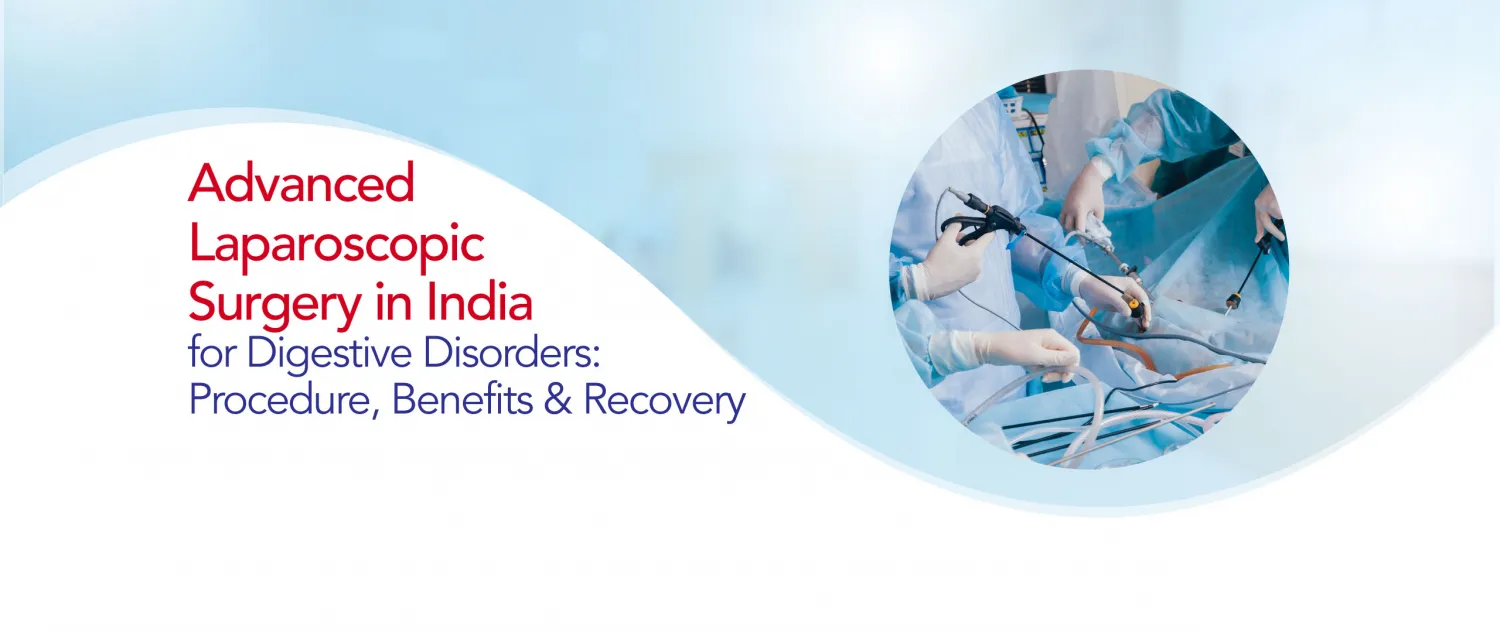
Laparoscopic surgery India has emerged as one of the most sought-after options for international patients seeking high-quality, minimally invasive treatment for digestive disorders. This guide explains procedure steps, conditions treated, recovery expectations, and why SPARSH Hospitals – Global Care is a trusted destination.
What Is Laparoscopic Surgery?
Laparoscopic surgery, commonly called keyhole surgery, is a minimally invasive technique using a high-definition camera and specialised instruments inserted through 2–4 small incisions (3–5 mm).
Modern centres in India now use robotic-assisted platforms, 4K imaging systems, and single-incision techniques matching outcomes in Europe and North America at significantly lower cost.
| Incision Size | Hospital Stay | Cost Savings vs West | Success Rate |
|---|---|---|---|
| 3–5 mm (keyhole) | 1–3 days | 60–80% lower | 95%+ |
Why India for Laparoscopic Surgery?
India combines internationally trained surgeons, NABH- and JCI-accredited hospitals, and gastro surgery costs 60–80% lower than Western countries.
Digestive Disorders Treated with Laparoscopic Surgery
- Gallstones & cholecystitis
- GERD / acid reflux
- Colorectal cancer
- Hernias (inguinal, umbilical, incisional)
- Crohn’s disease & ulcerative colitis
- Appendicitis
- Bariatric surgery for obesity-related digestive disease
- Pancreatic cysts
- Achalasia cardia
- Liver resection
Common Laparoscopic Procedures
Gallbladder Disease (Laparoscopic Cholecystectomy)
Removal of the gallbladder through small incisions with next-day discharge in most cases.
GERD and Hiatal Hernia (Nissen Fundoplication)
Reinforces the anti-reflux barrier when medication fails.
Colorectal Surgery (Laparoscopic Colectomy)
Used for cancer, diverticulitis, or inflammatory bowel disease.
Hernia Repair (Laparoscopic Hernioplasty)
Mesh reinforcement reduces recurrence and post-operative pain.
Bariatric Surgery
Improves metabolic disorders such as fatty liver disease and severe GERD.
Endoscopic ultrasound for digestive disorders helps improve diagnostic precision before surgery.
How the Procedure Works: Step by Step
- Pre-operative evaluation: Blood tests, CT/MRI/EUS imaging, anaesthesia clearance.
- General anaesthesia: Procedure duration 45 minutes to 3 hours.
- Port placement: CO₂ gas creates surgical workspace.
- Surgical intervention: HD camera guides precision repair/removal.
- Closure & recovery: Absorbable sutures and ward transfer.
Laparoscopic vs Open Surgery
| Parameter | Laparoscopic | Open Surgery |
|---|---|---|
| Incision Size | 3–5 mm | 10–30 cm |
| Hospital Stay | 1–3 days | 5–10 days |
| Blood Loss | Minimal | Moderate |
| Recovery | 1–3 weeks | 4–8 weeks |
| Infection Risk | Low | Higher |
Key Benefits of Laparoscopic Surgery
- Faster recovery
- Less pain
- Short hospital stay
- Reduced infection risk
- Minimal scarring
- Lower blood loss
- Safer for elderly patients
Recovery Timeline
| Phase | Timeframe | What to Expect |
|---|---|---|
| Immediate | 0–24 hrs | Monitoring, liquids started |
| Hospital Stay | Day 1–3 | Diet progression, oral meds |
| Early Recovery | Week 1–2 | Light walking |
| Active Recovery | Week 2–4 | Desk work resumes |
| Full Recovery | Week 4–6 | Exercise allowed |
Why Choose SPARSH Hospitals – Global Care?
- NABH-accredited surgical centres
- 4K laparoscopic systems
- Robotic platforms
- International patient concierge
- Transparent pricing packages
- Telemedicine follow-ups




 WhatsApp Us