Organ Transplant: Everything You Need to Know
By: Dr. Mahesh Gopasetty
HOD & Senior Consultant – Liver Transplant & HPB Surgeon
Posted on March 4, 2025
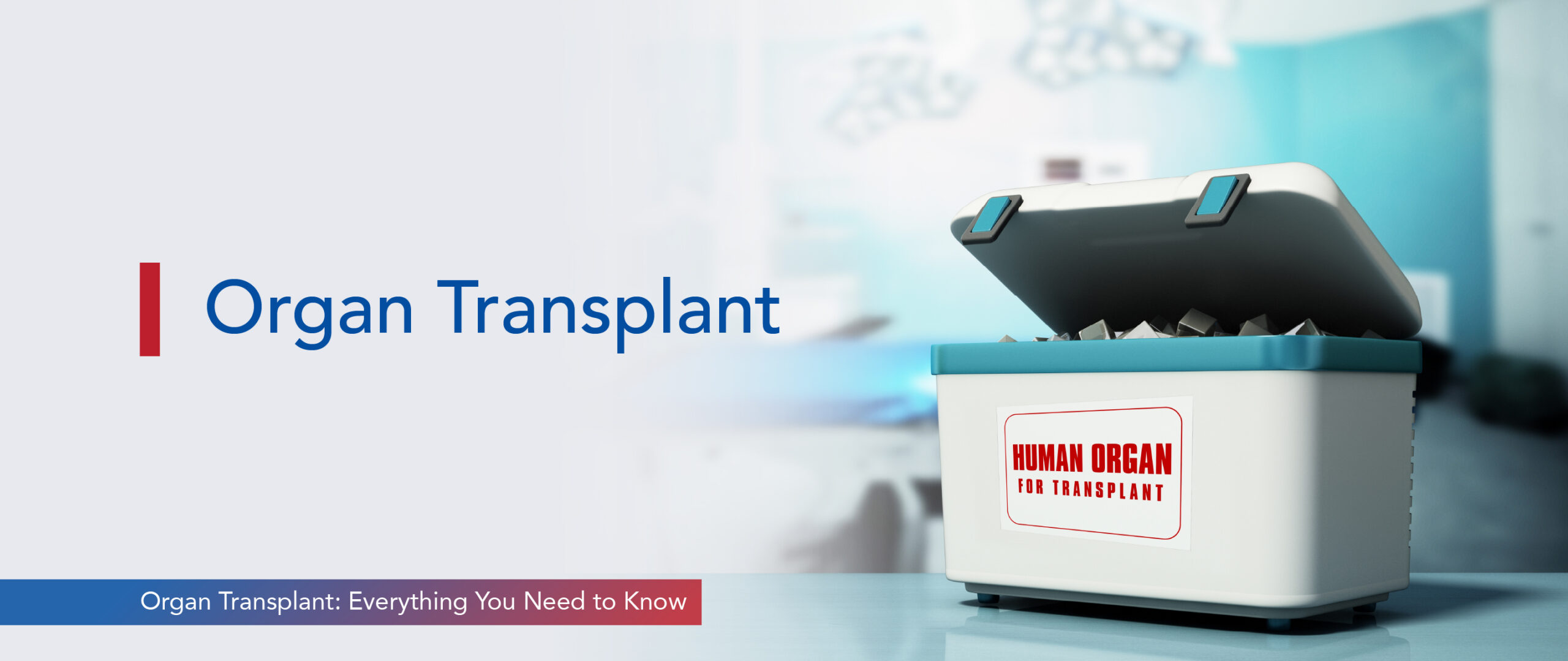
An organ transplant involves replacing a failing organ with a healthy one from a donor. The process includes surgery to remove the damaged organ and replace it with a donor organ. Recovery can take time, with risks of infection and rejection. Please consult experienced organ transplant doctors for a better understanding of procedures and more.
Table of Contents
- Understanding Organ Transplant
- Types of Organ Transplants
- Organ Transplant Procedure
- Organ Donation
- Types of Organ Donation
- Organ Transplant Surgery
- Organ Transplant Recovery
- Organ Transplant Risks
- When to See a Doctor
- Frequently Asked Questions
Understanding Organ Transplant
An organ transplant is a medical procedure in which a damaged or diseased organ is replaced with a healthy one from a donor. Transplants are typically performed for vital organs, including the heart, kidneys, liver, lungs, and pancreas, among others.
The main goal of organ transplantation is to improve or save the life of someone whose organ is no longer functioning adequately. An individual may need an organ transplant due to various conditions, such as organ failure caused by chronic diseases, injuries, or genetic conditions.
Types of Organ Transplants
- Kidney Transplant: One of the most common types of organ transplants, usually required due to chronic kidney disease or kidney failure.
- Heart Transplant: Performed when the heart becomes too weak to pump blood effectively, often due to heart disease.
- Liver Transplant: Used when the liver fails, due to conditions like cirrhosis or liver cancer.
- Lung Transplant: For individuals with severe lung disease, such as COPD, cystic fibrosis, or pulmonary fibrosis.
- Pancreas Transplant: Performed in cases of severe diabetes, often combined with a kidney transplant.
Organ Transplant Procedure
The organ transplant procedure involves several steps to ensure that the transplant is successful and the recipient’s body accepts the new organ.
- Pre-Transplant Assessment: Before the procedure, both the donor and recipient undergo thorough medical evaluations to ensure compatibility. The recipient’s health is assessed to ensure they are fit for surgery.
- Donor Selection: In the case of organ donation, the donor may be living or deceased. For living donors, the organ (usually a kidney or part of the liver) is taken from a healthy person, while deceased donors provide organs like hearts or lungs. In the case of Living Donor Liver Transplantation (LDLT), the liver in both donor and recipient grows back to its full size within 2 months.
- Surgical Procedure: Once a suitable donor organ is identified, the transplant surgery is performed. The surgeon removes the diseased organ and replaces it with a healthy donor organ. For some organs like kidneys, patients can live with just one, making living donor transplants common.
- Post-Surgery Care: After the transplant, the recipient is monitored closely for signs of rejection or infection. Immunosuppressant medications are prescribed to prevent rejection, as the body may recognise the new organ as foreign and attack it.
Organ Donation
Organ donation is the voluntary process of donating one or more of your organs to someone in need. It can occur after death, or living individuals can donate certain organs or tissues while they are still alive. Organ donation has become a critical part of modern healthcare, helping to save or improve the lives of thousands of people globally.
Types of Organ Donation
- Living Donation: This involves a living person donating an organ (typically a kidney or part of the liver). Living donation is possible because certain organs, like kidneys, are not essential in pairs.
- Deceased Donation: Organ donation after death is more common and involves the removal of organs from a person who has passed away, usually due to brain death or circulatory death. The organs are then transplanted into recipients who need them.
Donating an organ is a life-saving act, and several countries have established systems to encourage people to register as donors. In countries like the UK, there is also a system of opt-out donation, meaning that individuals are presumed to have agreed to organ donation unless they choose to opt out.
Organ Transplant Surgery
Organ transplant surgery is a complex, high-risk operation that requires advanced skills and expertise. The procedure typically involves the following:
- Anaesthesia: The recipient is put under general anaesthesia to ensure they remain unconscious and pain-free during the procedure.
- Incision: The surgeon makes an incision to remove the damaged organ. The size and location of the incision depend on the organ being transplanted.
- Implanting the New Organ: The new organ is then placed in the recipient’s body. Surgeons carefully connect blood vessels, bile ducts (in the case of liver transplants), and other necessary structures to ensure proper organ function.
- Monitoring and Recovery: After the surgery, the recipient is closely monitored in an intensive care unit (ICU) for complications like organ rejection, bleeding, or infection.
Organ Transplant Recovery
Organ transplant recovery can take several weeks or even months, depending on the type of organ transplanted and the recipient’s overall health. The recovery process includes:
- Hospital Stay: The recipient will need to stay in the hospital for a few days to a week to monitor their progress.
- Immunosuppressive Medications: To prevent the body from rejecting the new organ, patients must take immunosuppressive medications for life. These drugs help the body accept the transplanted organ but increase the risk of infection.
- Physical Rehabilitation: Many patients require physical therapy to regain strength and mobility after surgery, especially after a major organ transplant like a liver or heart transplant.
- Follow-Up Care: Regular check-ups and medical tests are essential to monitor organ function and detect any early signs of complications, such as organ rejection or infections.
Organ Transplant Risks
Like any major surgery, organ transplant surgery carries risks. These include:
- Rejection: The recipient’s immune system may attack the new organ, causing rejection. This is one of the primary risks associated with organ transplant recovery. However, immunosuppressive drugs can help reduce the likelihood of rejection.
- Infection: Since transplant recipients take immunosuppressive medications, they are more susceptible to infections.
- Bleeding: As with any surgery, there is a risk of excessive bleeding during or after the procedure.
- Organ Dysfunction: In some cases, the transplanted organ may not function as expected, requiring further treatment or additional surgery.
When to See a Doctor?
If you experience any of the following symptoms after an organ transplant, it is important to consult an organ transplant doctor immediately:
- Swelling or pain at the transplant site.
- Signs of infection, such as fever or redness.
- Symptoms of organ rejection, such as fatigue, nausea, or dark urine.
- Unexplained weight gain or difficulty breathing.
You can visit your nearest Organ Transplant Hospital at SPARSH Hospital to speak with some of the best organ transplant doctors in Bangalore.
Conclusion
An organ transplant is a life-saving procedure that offers hope for those suffering from organ failure. The process involves meticulous planning, surgery, and long-term care to ensure the best outcomes for transplant recipients. Organ donation plays a critical role in this process, and individuals are encouraged to consider becoming organ donors to help save lives.
The recovery from an organ transplant requires time, patience, and a commitment to following your healthcare team’s instructions.








 WhatsApp Us